
Day 7, June 29th
After the previous night’s nail-biting fuel adventure, we allowed ourselves a slow, peaceful morning at the Ranch House RV Campground. This place felt like a reward — spotless bathrooms, hot showers, and full hookups that made RV life feel incredibly comfortable. We checked out at 11:30 AM. We had originally marked Slana on our map for the morning’s detour, hoping to catch mountain views, but heavy clouds smothered everything. There was no point driving north for a sight we wouldn’t see.
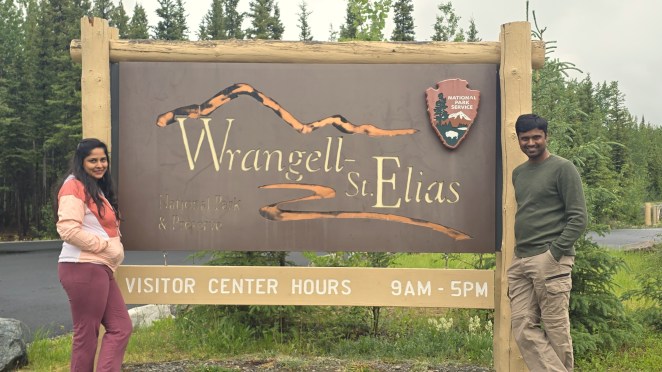
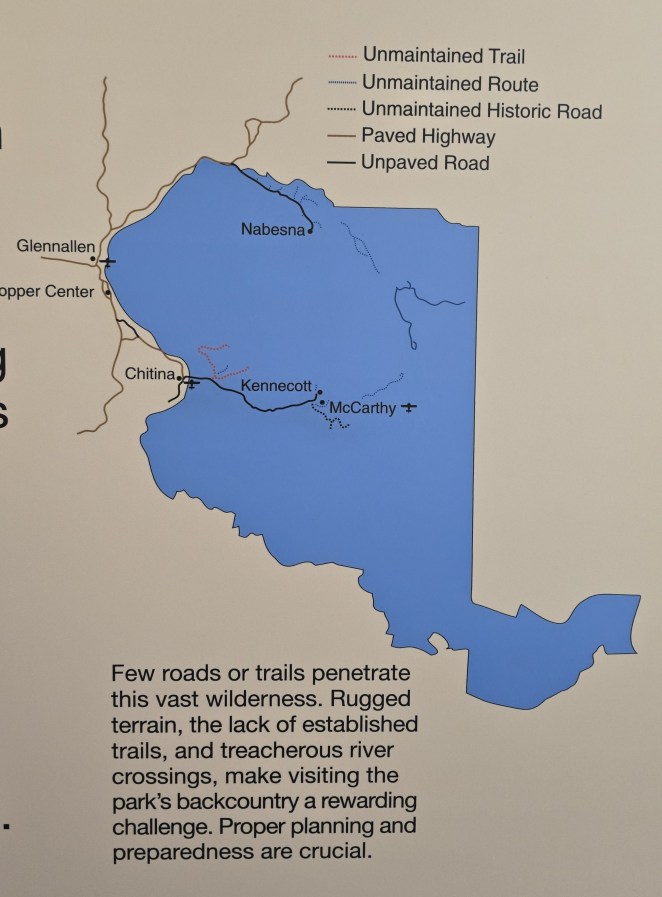
So we turned south instead, straight toward one of the wildest, grandest landscapes on Earth — Wrangell–St. Elias National Park and Preserve.
Entering Wrangell–St. Elias: The Largest National Park in America
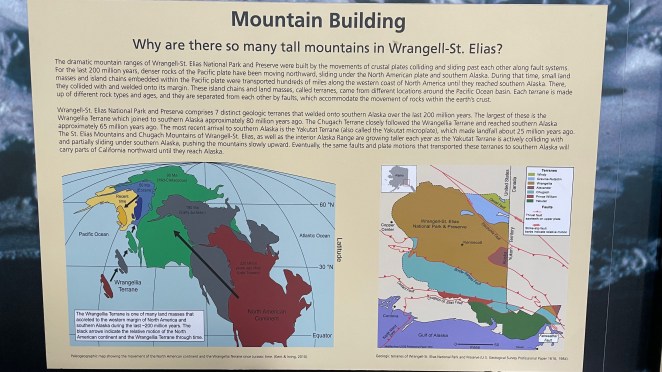
Driving toward Wrangell–St. Elias feels like approaching another planet. Mountains don’t simply rise here — they dominate, overwhelm, and swallow the horizon. This park is so massive that it is almost impossible to describe with ordinary measures. At 13.2 million acres, it is the largest national park in the United States, roughly the size of six Yellowstones put together. And among the ten largest national parks in the country, seven are in Alaska, with Wrangell–St. Elias towering above them all (the other 3 are Death Valley, Yellowstone and Everglades national park). What makes this region extraordinary is how four major mountain ranges converge within and around the park: Wrangell Mountains in north, Chugach Mountains bordering the southern coast, Saint Elias Mountains and the eastern Alaska Range. Together, they are home to nine of the sixteen highest peaks in the United States. Among them, Mount St. Elias, rising to 18,008 feet, is the second-highest peak in the country — a colossal fortress of ice and rock shared with Canada’s Kluane National Park. From the highway, we caught glimpses of snow-clad giants like Mount Blackburn, Sanford, Drum, and Wrangell. Even from miles away, these peaks felt close enough to touch.

Copper Center
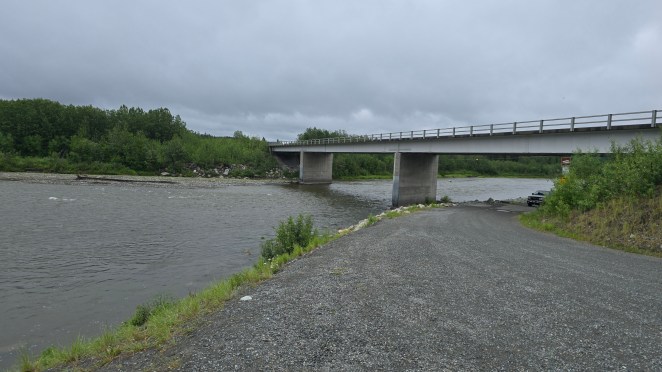
As we drove further south, the clouds hung low and the mountains played hide-and-seek with us. We reached Copper Center, a town whose very name echoes its past. During Alaska’s early 1900s mineral rush, hordes of adventurers came north expecting gold. But the true treasure of this region turned out to be copper. The legendary Kennecott Copper Mines extracted some of the richest copper ore ever found, starting in 1911. We stopped at the Copper River Bridge hoping to see fish wheels — a traditional method used by locals to catch salmon — but the river was empty and swelling with silt. It was unfortunate.
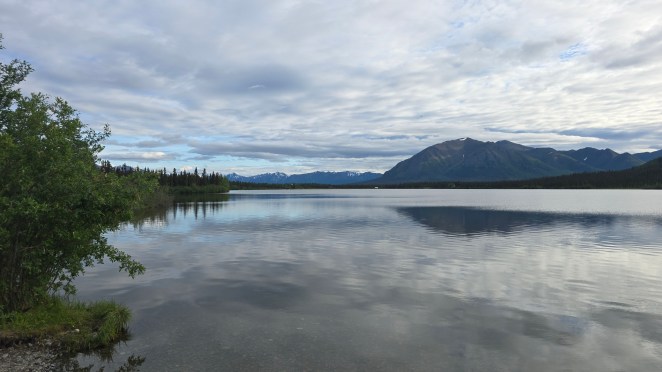
Around 4:30 PM, we pulled into the Willow Lake viewpoint. The lake lay perfectly still, mirroring the distant mountains that peeked through the clouds now and then. We heated up aromatic tamarind rice and ate with the windows open, letting the chilly Alaskan breeze sweep through the RV. There’s something magical about eating warm comfort food in a cold, wild place — every bite tasted deeper, fuller.
Chitina
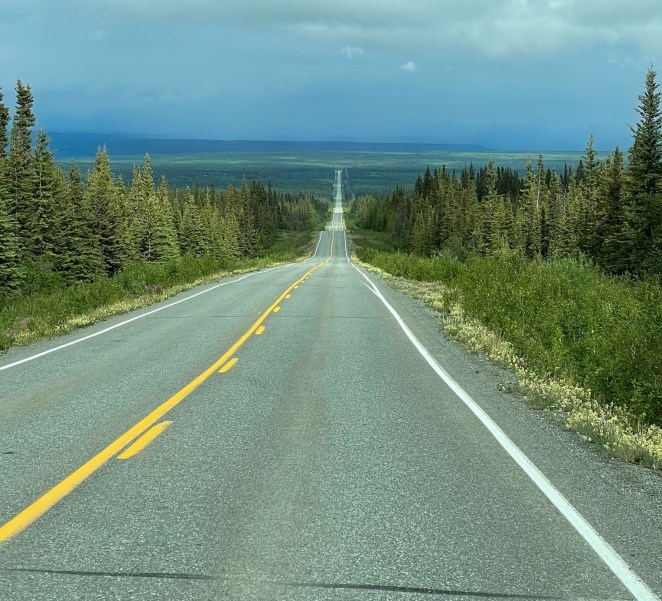
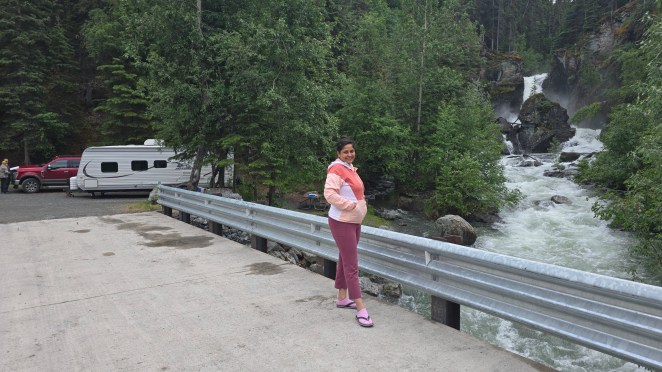
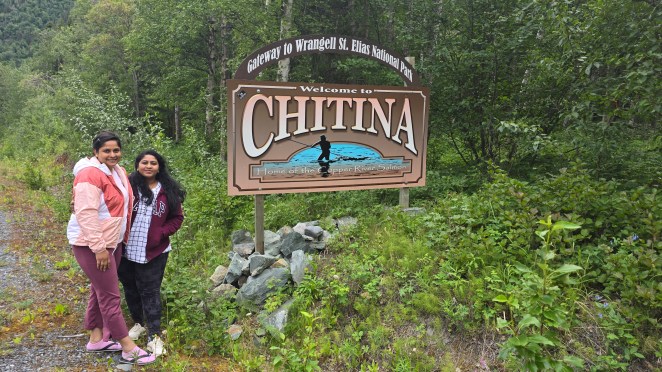
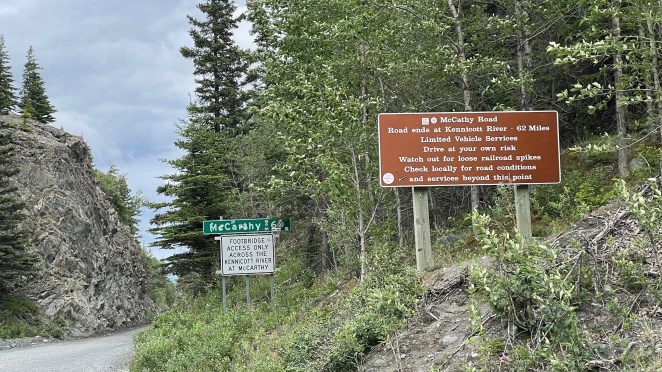
From Willow Lake, we continued south on AK-4 until the road forked. We turned left onto AK Route 10, a remote stretch leading toward Chitina. A short detour brought us to Liberty Falls Recreation Area, where white water tumbled down a narrow rock canyon. By evening we reached the start of McCarthy Road in Chitina — the rugged 60-mile road that leads deep into Wrangell–St. Elias. RVs aren’t allowed on it, so this was as far as we could go. We stepped out, stretched our legs, breathed in the crisp air, and soaked in the silence. Chitina felt like the edge of the known world – we couldn’t go further, returning was the only option.

Boondocking Beside Pippin Lake
By the time we drove back toward the junction with AK-4, the day had softened into evening light. Right at the merge lay Pippin Lake, a glassy sheet of water framed by mountains. The lake looked too beautiful to drive past. Our RV was ready for a quiet night, and so were we. We decided we would boondock right here — because when you’re in Alaska, the road doesn’t just take you to beautiful places; it lets you live inside them.
We drifted into the night with the gentle sound of water against the shore and the soft glow of a midnight sun pouring through the RV windows. Day 7 had been quiet, calm, and filled with the immense presence of Alaska’s ancient mountains — a slow day that still found a way to take our breath away.


 Abhijeet Kumar Sinha