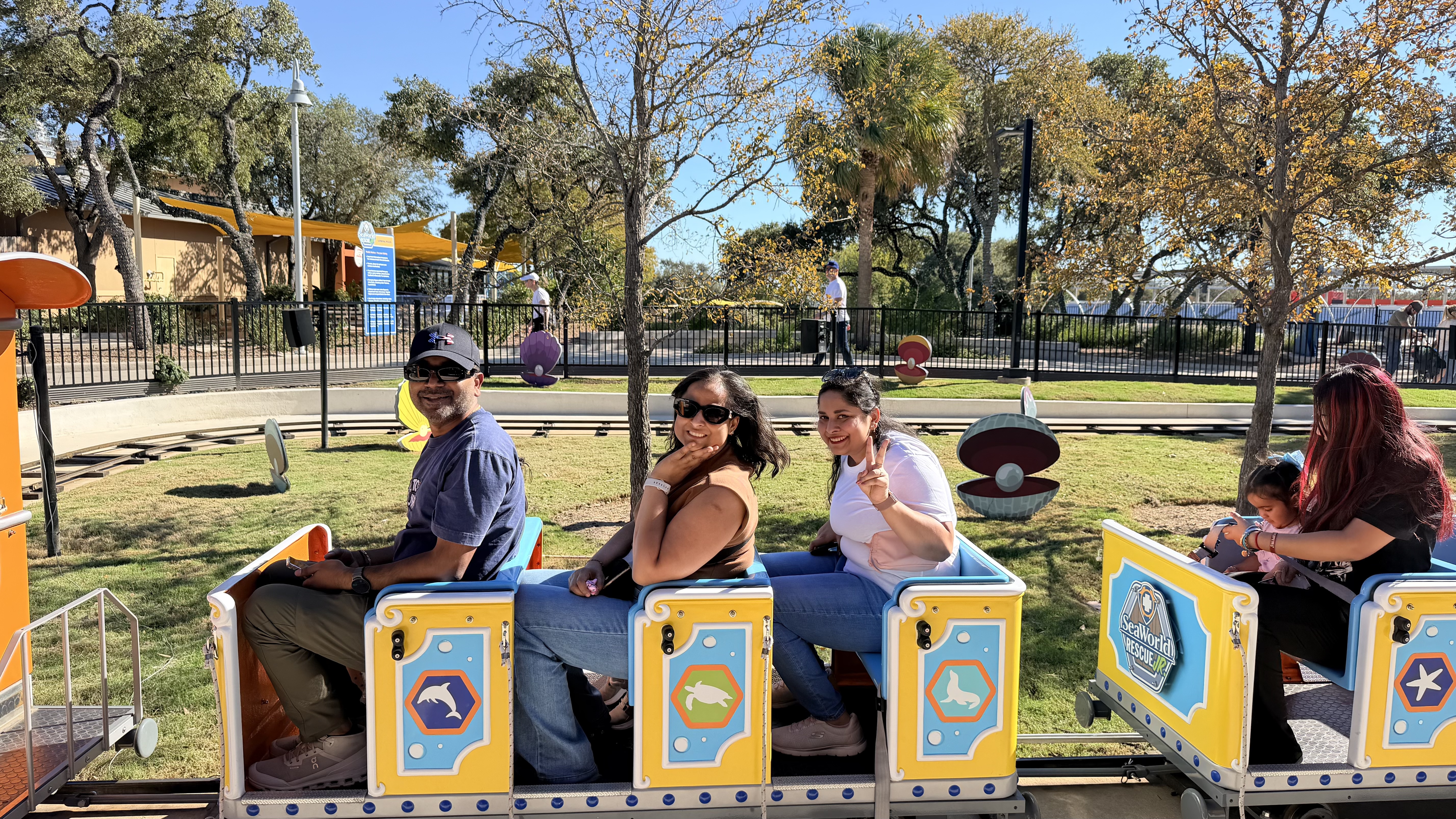
We flew to Dallas to spend some time with Suman Di and Ashish Bhaiya. Coincidentally, our wedding anniversary was just around the corner, and they had a wonderful idea — a family getaway to San Antonio.
What followed turned out to be an unexpected blend of prehistoric discoveries, spiritual moments, festive cityscapes, and unforgettable family memories.
Waca Mammoth National Monument
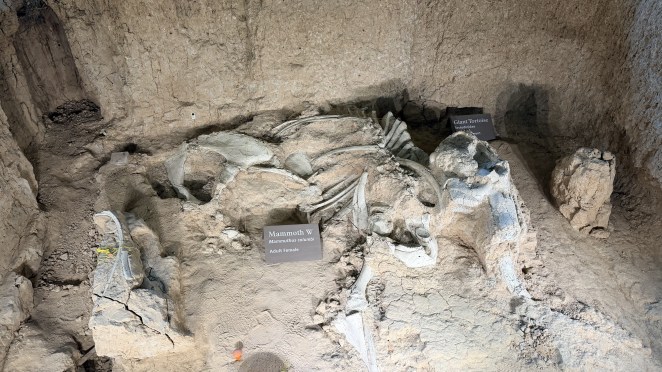
Waco Mammoth National Monument is located near Waco, Texas. This remarkable site preserves the fossil remains of a nursery herd of Columbian mammoths, an ancient species that roamed North America during the Ice Age over 65,000 years ago.
What makes this site extraordinary is that the fossils were discovered exactly where the animals died. Scientists believe repeated flooding events trapped multiple mammoths in the area, creating one of the nation’s largest and best-preserved Columbian mammoth death assemblages. Walking through the climate-controlled dig shelter and seeing these enormous, fossilized skeletons still embedded in the earth was both fascinating and humbling. It offered a rare glimpse into a world that existed long before humans walked the continent.
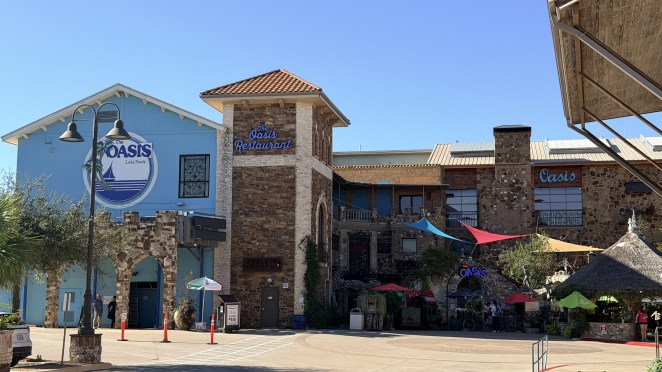
By lunchtime, we arrived at The Oasis on Lake Travis, near Austin. Perched high above the lake, the restaurant is famous for its spectacular panoramic views. The place was packed, and while the food itself was decent, the real attraction was undoubtedly the scenery. We took a lot of pictures before leaving the place.
Radha Madhav Dham
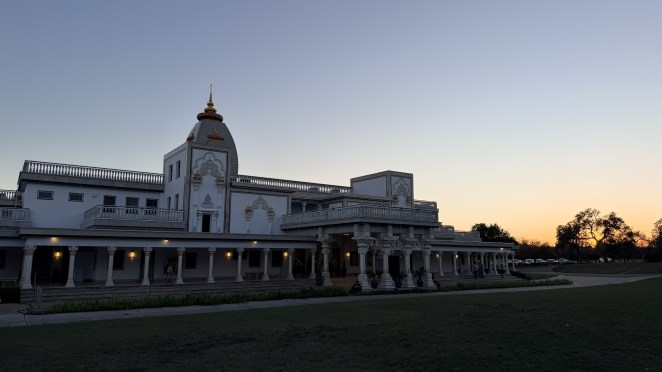
Later that afternoon, we visited Radha Madhav Dham, one of the largest Hindu temple complexes in North America. Spread across hundreds of acres in the Texas Hill Country, the temple serves as the headquarters of Jagadguru Kripalu Parishat in the United States.
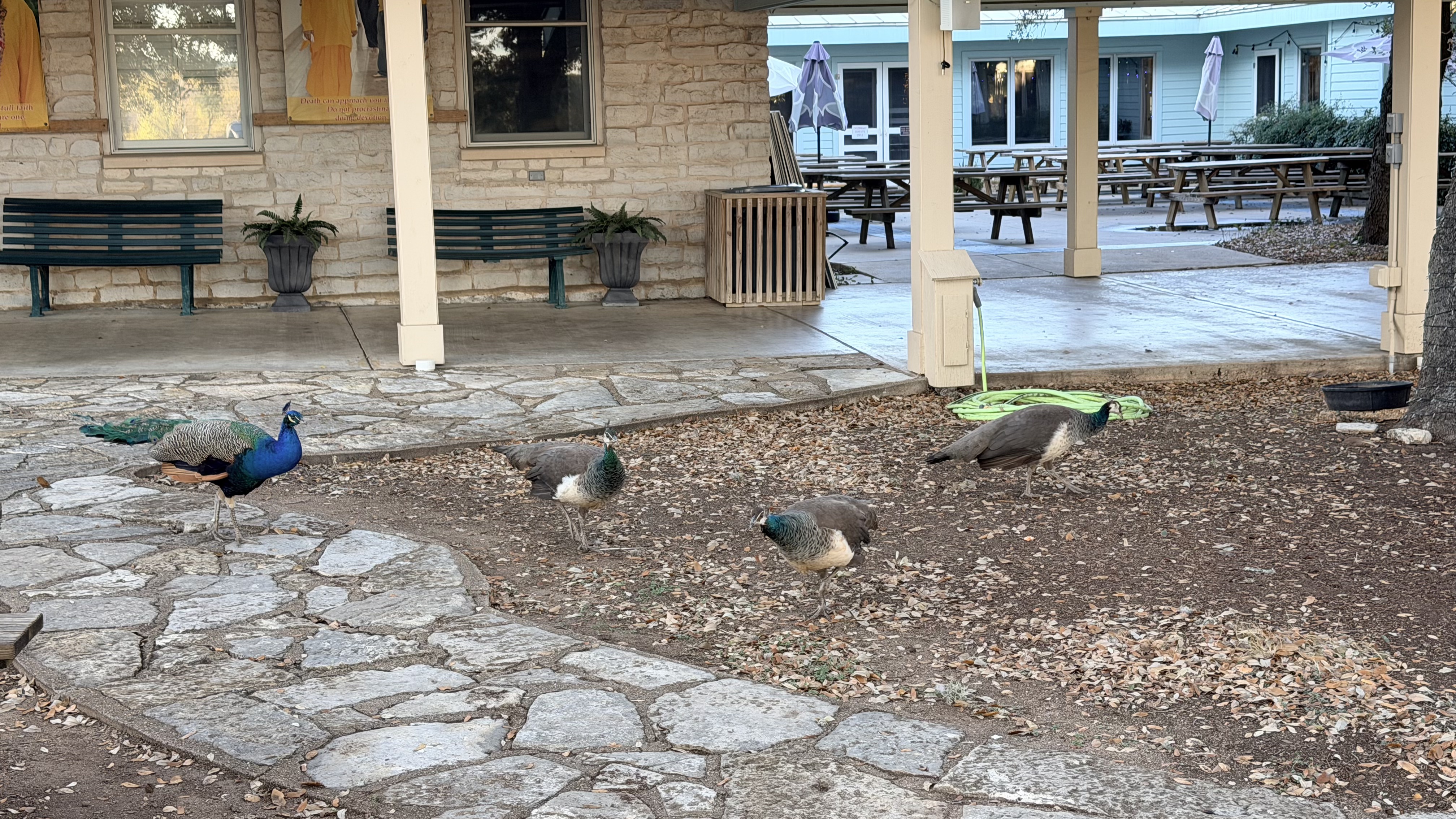
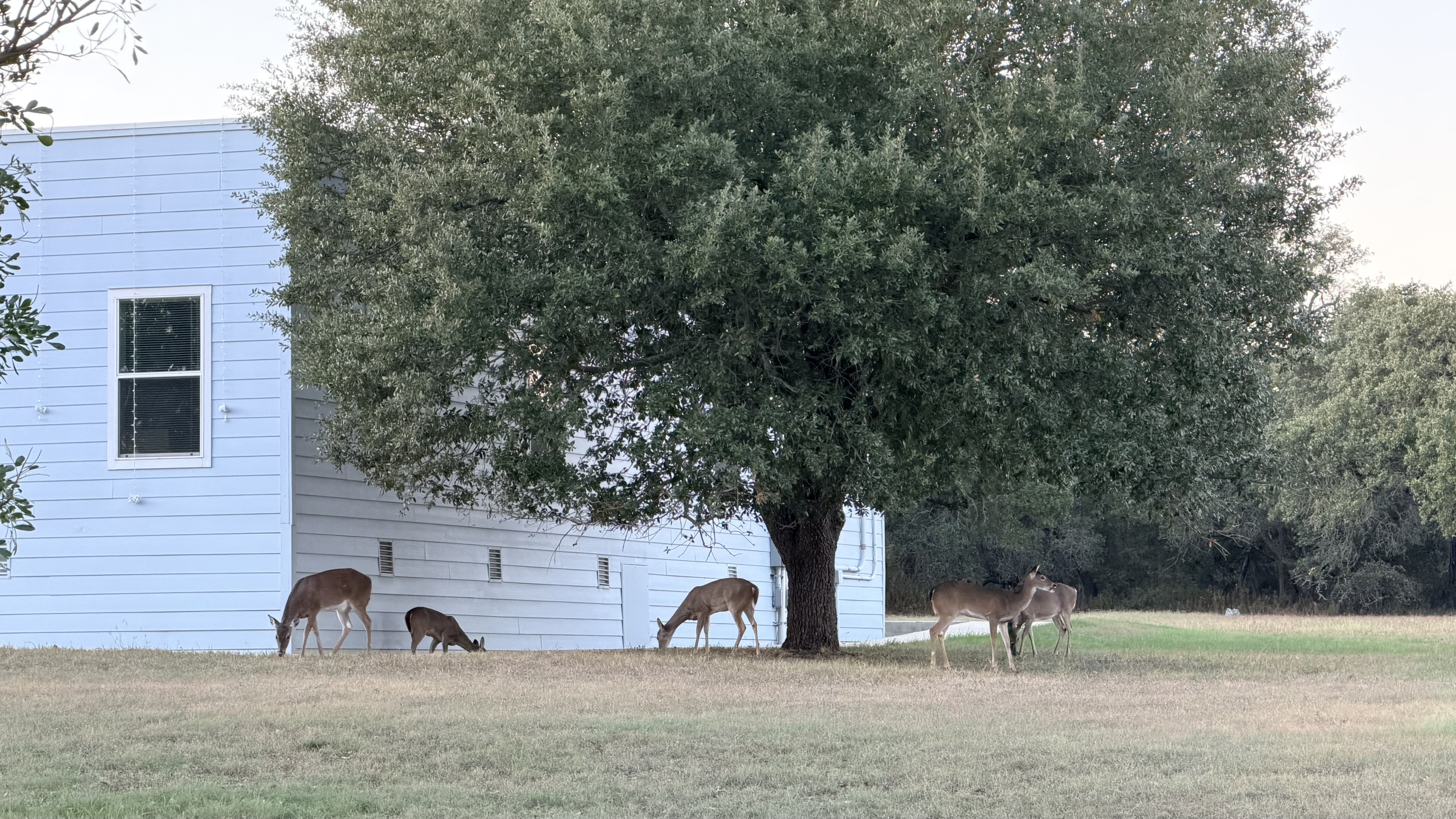
We attended the evening aarti, and the peaceful atmosphere was a welcome contrast to the busy tourist attractions we had visited earlier in the day. The temple grounds themselves were beautiful, with deer wandering freely and peacocks and peahens roaming around, much to the delight of the children.
As darkness fell, we finally reached San Antonio.

San Antonio
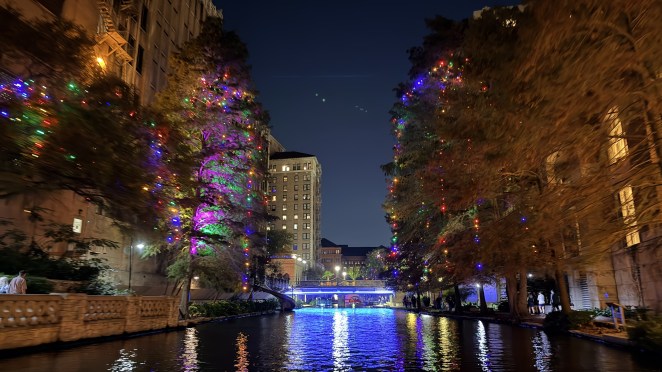
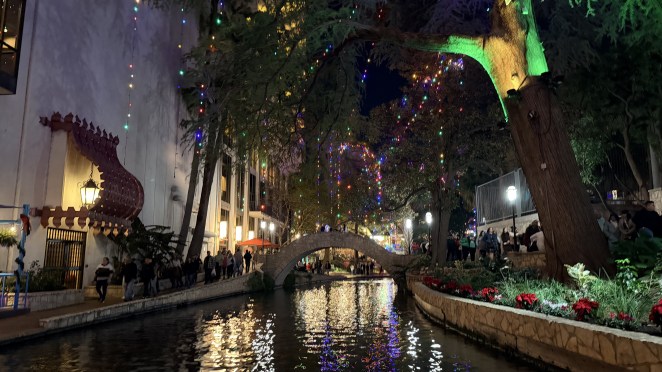
One of the highlights of the city is undoubtedly the San Antonio River Walk. I had never realized that the United States had its own version of a “mini Venice.” The San Antonio River winds gracefully through the downtown district, lined with restaurants, shops, and charming walkways below street level. We took an evening river cruise, and the city looked magical. Since it was the holiday season, Christmas lights and decorations adorned the entire riverfront, creating an atmosphere that was festive, romantic, and incredibly vibrant.
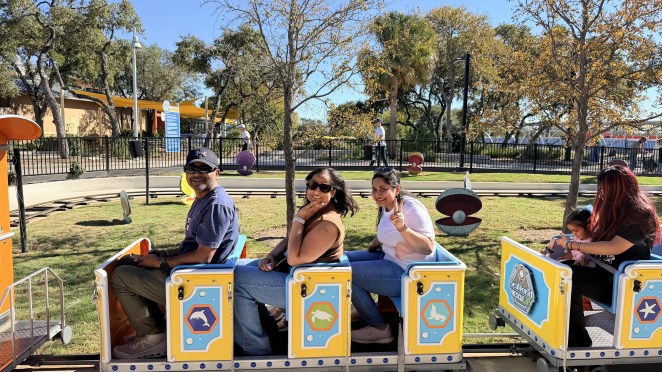
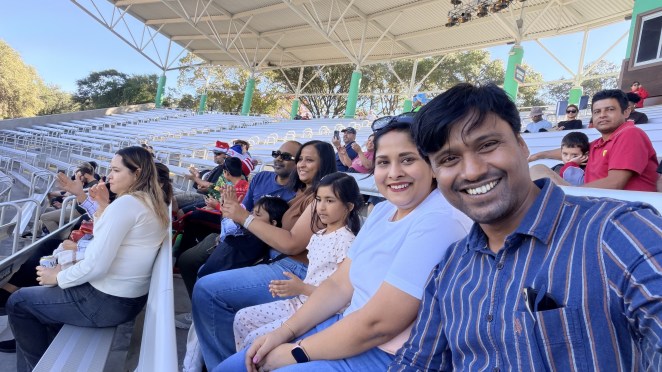
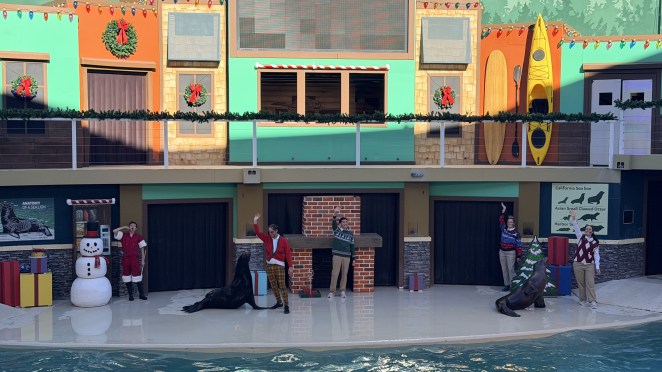
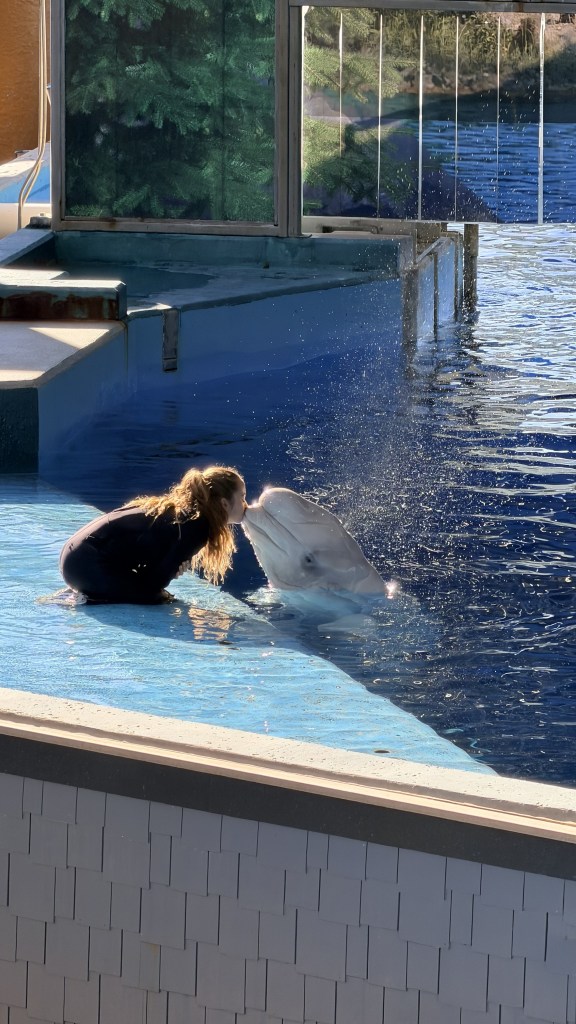
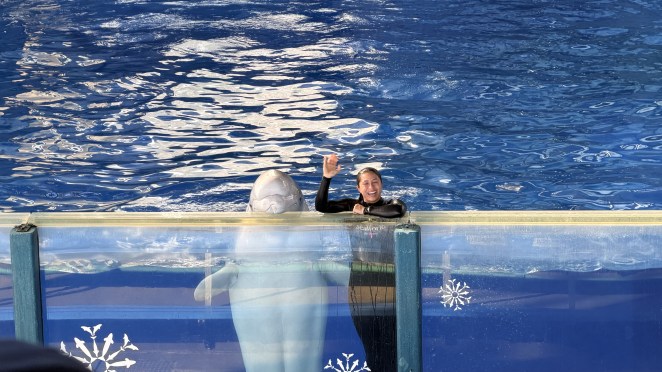
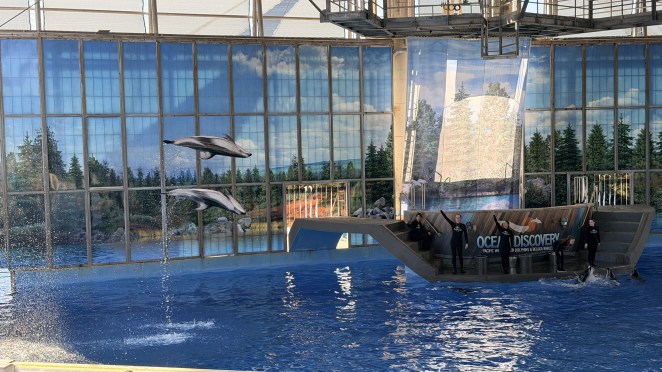
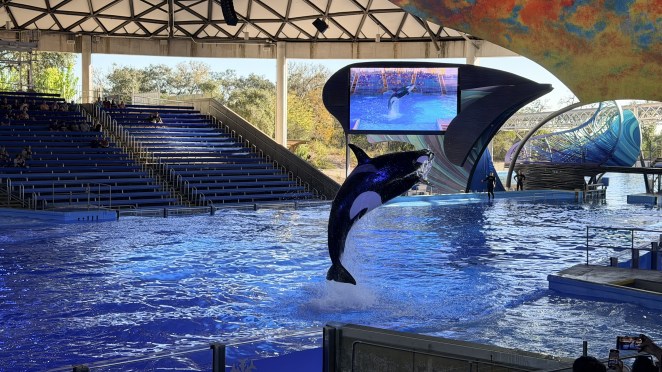
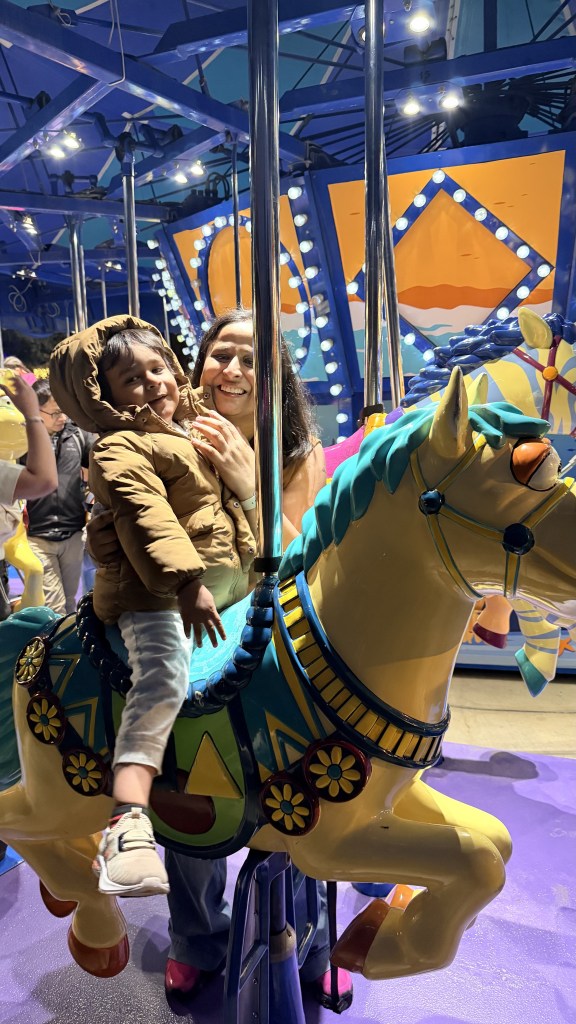
The following day brought us to SeaWorld San Antonio. While I had previously visited SeaWorld San Diego years ago, this was Shalini’s first SeaWorld experience, which made the visit extra special. We watched the sea lion, dolphin, and orca presentations — familiar to me but completely new and exciting for her.
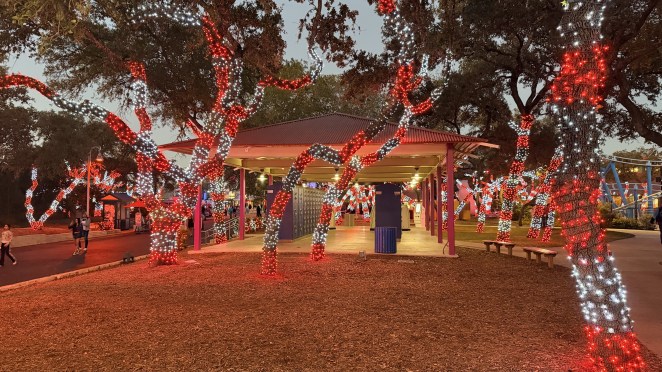
The entire park had embraced the holiday spirit with festive decorations and Christmas music playing throughout.
Just as we were preparing to leave, Shalini noticed signs pointing toward the penguin exhibit. I had completely forgotten about it from my previous visit. We decided to check it out, and it ended up becoming one of the happiest moments of the day. Watching Shalini see Antarctic penguins up close for the very first time made the detour absolutely worthwhile.

Dinosaur Valley State Park
Next weekend, we discovered a hidden gem of Texas — Dinosaur Valley State Park.
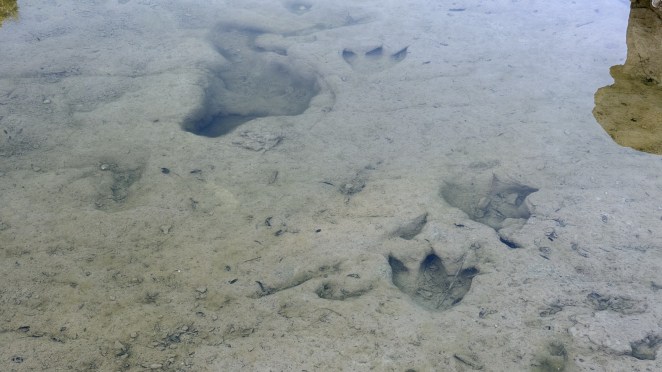
This place has a unique thing – fossilized tracks of dinosaurs. Fossils come in 2 types: some are petrified remains of an organism like bones or wood. Others are mere impressions, traces left behind by creatures long vanished like footprints in a sequence called trackway. Fossil bones provide details about structure and anatomy of the organism. Fossil trackways provide evidence of how animals moves, evidence of way of life.
Millions of years ago, this region lay beneath an ancient inland sea. During periods when water levels receded, dinosaurs walked across muddy coastal flats, leaving footprints behind. Over time, these footprints filled with sediments, hardened into limestone, and were eventually exposed through erosion by Paluxy River, preserving them for us to see today.
The dinosaur trackways at Dinosaur Valley belong primarily to two species: the massive long-necked Sauroposeidon and the formidable predator Acrocanthosaurus.
Standing beside these ancient footprints was an entirely different experience from viewing skeletons in a museum. The tracks represented a frozen moment in time — evidence that these creatures had once walked, hunted, and lived in this exact place roughly 113 million years ago.
The remarkable thing about dinosaur trackways is not that they fossilized. It’s that after surviving 100+ million years of burial, the exact right amount of erosion occurred to reveal them to us instead of destroying them completely. That’s why paleontologists often say that finding a good trackway is an extraordinary geological coincidence. A dinosaur took a few steps across some mud, and through an almost impossible chain of events, those steps are still visible today.